
British weather loves a plot twist. A week of blazing sun can be followed by torrential rain, and then a cold snap that turns a damp driveway into an ice rink overnight. If your driveway is already a bit tired, those swings can speed up cracking, staining, sinking, weed growth and general “it just looks scruffy” vibes.
The upside is that most of the damage people blame on “bad weather” is really down to a handful of predictable issues: water sitting where it should not, tiny gaps that turn into bigger ones, and surfaces that were never quite matched to how the space is used. Get those right (or at least managed), and your driveway stays safer, cleaner, and far more low maintenance.
 Why extreme weather targets driveways first
A driveway is an exposed, load bearing surface. It heats up quickly in summer, takes the brunt of rain and run off, and then goes through freeze thaw cycles in winter. Over time, that can lead to:
- Heat related marking (tyre scuffs, softened patches, fading)
- Water problems (puddles, algae, staining, run off towards the house)
- Freeze thaw damage (small cracks widening, blocks lifting, edges breaking down)
- Weeds and moss (often where water lingers or joints are exposed)
If you want a driveway that stays low maintenance, the goal is simple: move water away properly, keep the structure stable, and stop small defects becoming a route for water to get underneath.
The low maintenance trend that actually matters: drainage + stability
People often think “low maintenance” means a certain material. In reality, the best performing driveways tend to share the same fundamentals:
- Good falls and good drainage so water does not sit on the surface
- A properly prepared base that resists movement under turning and braking
- Clean edges and tidy junctions where the driveway meets borders, steps and fencing
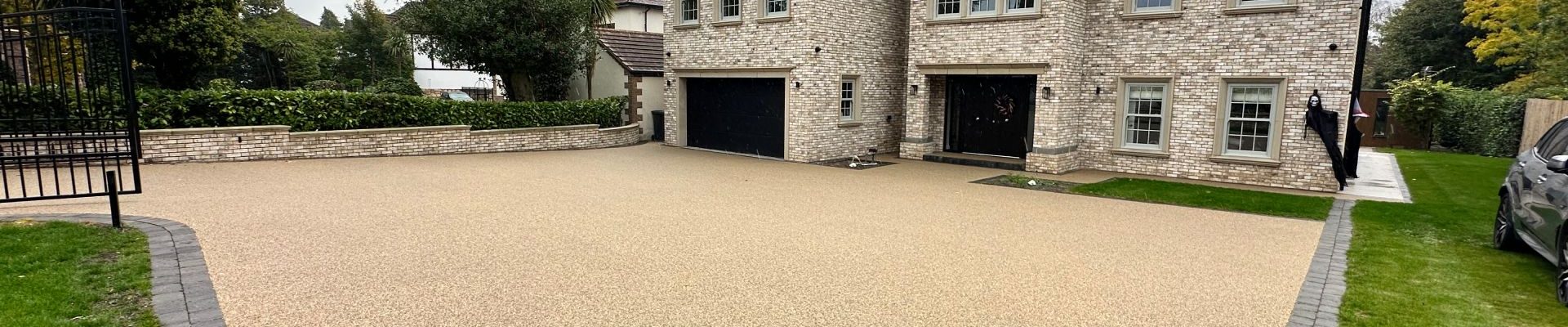
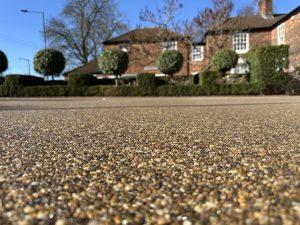
This is where permeable surfacing becomes appealing. Permeable systems are designed to let rainwater drain through rather than pooling on top, which can make a noticeable difference during heavy rain. Resin bound driveway surfacing is also popular because it offers a smooth, seamless finish, and when installed correctly it can support drainage goals and keep the day to day upkeep simple.
At First Impressions Yorkshire, this “design it properly first” approach runs through the services they offer, from resin bound driveways, paths and patios, through to tarmac surfacing, block paving, outdoor porcelain paving, and broader landscaping works. If you are comparing options, it helps to speak with someone who installs multiple surface types rather than forcing every driveway into one solution.
Heatwaves: prevent scuffs, soft spots and baked in stains
Hot spells can catch people out. Even if your driveway looks fine, heat can make certain surfaces more prone to marking, and it can highlight weak points in edges or joints.
Common heatwave issues
- Tyre scuffs where vehicles turn on the spot
- Surface softening on some darker materials
- Stains setting fast (oil, fuel, rusty garden furniture marks)
Practical heatwave care
- Avoid dry turning when you can: turning the steering wheel while stationary is a classic cause of scuffing. Rolling slightly as you turn can reduce stress on the surface.
- Clean spills quickly: in heat, stains can “cook in” and become harder to lift later.
- Go easy on harsh cleaning: aggressive jet washing can damage joints, force water into gaps, and roughen some finishes. A gentler wash often does the job without creating new problems.
- Check edges and transitions: if an edge is starting to open up, heat can make movement more obvious. That small gap is where water will head next time it rains.
If your driveway marks easily or looks dull no matter how often you sweep it, it may be telling you it needs a professional reset rather than another weekend of scrubbing. First Impressions Yorkshire offers a specialist resin driveway cleaning and sealing service, which is a useful option when the surface is structurally sound but has lost its “fresh” look.
Heavy rain: stop puddles, stop run off, stop water getting underneath
When rainfall is heavy, water will always find the easiest route. If your driveway does not have a clear plan for where water goes, you often end up with puddles, staining, slippery patches, and in worse cases water tracking towards doorways and walls.
What to look for after a downpour
- Puddles that remain long after rain stops
- Water flowing towards the house rather than away
- Washed out jointing sand on block paving
- Loose grit or debris collecting at the bottom of the drive
Practical heavy rain care
- Clear leaves and silt regularly: drainage channels and gullies fail most often because they are simply blocked.
- Watch for new water paths: if water suddenly runs in a different direction, something has shifted or an edge has started to fail.
- Do not ignore surrounding areas: driveway drainage and garden drainage are linked. If borders are waterlogged, that moisture can creep under edges and increase movement over time.
If you are planning a new driveway (or a full refresh), it may be worth considering permeable or SuDS minded approaches so you are not constantly battling puddles. First Impressions Yorkshire has specific guidance on SuDS compliance and permeable paving, and installs resin bound surfaces and other driveway options with drainage in mind, not as an afterthought.
Frost: the freeze thaw cycle that turns small issues into big ones
Winter damage tends to build quietly. Water enters tiny cracks or joints, freezes, expands, and then thaws. Repeat that often enough and you can end up with widening cracks, lifted blocks, crumbling edges, and more places for water to sit next time.
Common winter warning signs
- Hairline cracks that are getting longer
- Uneven areas underfoot (especially on block paving)
- Edges lifting or separating from borders
- Persistent green or slippery patches in shaded areas
Practical frost season care
- Repair small defects early: it is usually cheaper and simpler to deal with a small issue before winter makes it worse.
- Be cautious with de icing salts: harsh products can be unfriendly to some surfaces and surrounding planting. A light grit is often a safer option for traction.
- Avoid forcing water into joints: heavy pressure washing in colder months can leave moisture trapped where it will freeze.
- Keep it clean: algae and moss hold moisture. Less moisture usually means less ice.
A simple, realistic maintenance routine
You do not need to obsess over your driveway. A light routine, timed around the seasons, tends to deliver the best results.
- Monthly: sweep debris, especially from edges and drainage points.
- After heavy rain: check for standing water and any new run off paths.
- Autumn: keep on top of leaves (they block drainage and encourage algae).
- Before winter: sort cracks, joints and edges so water cannot sit where it will freeze.
- Spring: assess whether a deeper clean or a repair is needed to reset the look.
When it makes sense to call a professional
Some problems are not worth battling yourself, especially if they keep coming back. Consider getting expert eyes on it if you have:
- Puddles that never clear properly
- Cracks that reappear after filling
- Sinking or rocking areas
- Edges opening up or crumbling
- A resin bound surface that looks tired and does not clean up well
First Impressions Yorkshire can help at both ends: installing new driveways and outdoor surfaces (including resin bound, block paving, tarmac, outdoor porcelain paving and more), and also maintaining resin bound driveways through specialist cleaning, sealing and repair. That combination tends to matter, because good aftercare advice is usually grounded in how the surface was installed in the first place.
Thinking of upgrading rather than patching?
If your driveway is becoming a constant maintenance job, it may be a sign the surface is no longer suited to your needs, or the drainage and base underneath were never quite right. A well designed upgrade can reduce ongoing hassle, improve kerb appeal, and make the space safer in wet or icy weather.