

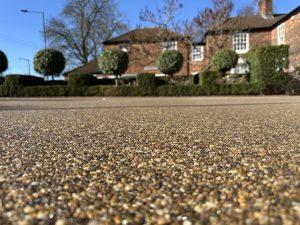
 Government guidance outlines three ways to create a driveway or patio that allows water to infiltrate. The simplest option is gravel or a vegetated surface; rain drains through gaps between stones and roots and these areas blend into cottage‑style gardens. Where a solid surface is preferred, runoff can be directed to a rain garden or soakaway, which is a depression planted with vegetation or a purpose‑built pit that collects and slowly releases water. The third option is modern permeable paving: porous asphalt, permeable concrete blocks and resin bound surfaces all contain voids that let water filter through into a prepared sub‑base. Such systems rely on a porous sub‑base, usually open‑graded stone or bitumen, which provides structural strength and temporary storage for rainwater, reducing runoff.
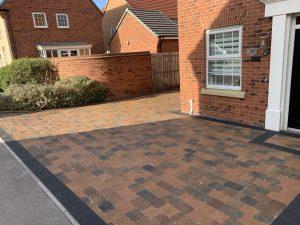 Permeable paving offers more than just regulatory compliance. By letting rain soak into the ground it reduces surface runoff and the likelihood of flooding, helps replenish groundwater, and minimises puddles and ice. Resin bound surfaces are durable, weed resistant and available in many colours, so they look attractive while performing well. Choosing a permeable solution is a simple way to make your home more sustainable without sacrificing style.