
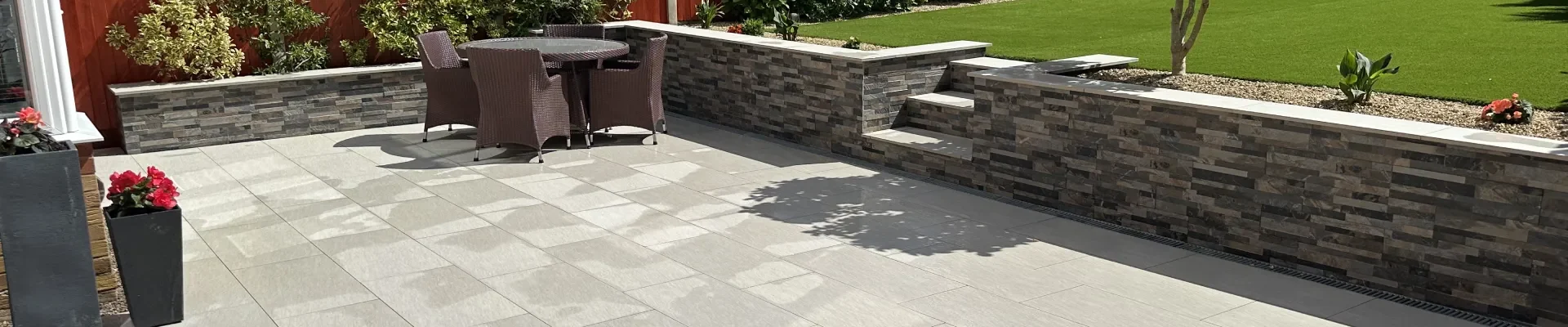
Garden design often focuses on the visual elements — plants, paving, and decorative features — while practical considerations such as drainage can be overlooked. Yet without effective drainage, even the most beautiful garden can quickly become plagued by puddles, dying plants, and uneven ground.
Poor water management not only affects the look and feel of your outdoor space but can also cause long-term structural issues.
Waterlogging and subsidence are two of the most significant risks linked to poor garden drainage.
These issues can damage lawns, weaken plant health, and undermine the stability of driveways, patios, and even property foundations. This blog explores why drainage matters, the signs of poor performance, and the solutions available to protect your garden investment.
What is Garden Drainage?
Garden drainage refers to the way water is directed and managed in outdoor spaces, preventing it from sitting on the surface or saturating the soil. Good drainage allows excess rainwater to flow away naturally or be absorbed efficiently into the ground. It plays an essential role in maintaining a healthy soil structure, enabling plants to grow properly while protecting hard surfaces from damage.
There are natural drainage systems, such as sloping ground or sandy soils, that allow water to disperse easily. In contrast, man-made solutions such as soakaways, French drains, or permeable paving are used when natural drainage is insufficient. Whether natural or engineered, effective drainage is the foundation of a healthy and long-lasting garden.
Common Causes of Poor Garden Drainage
One of the main causes of drainage issues in British gardens is clay soil, which is common across large parts of the country. Clay retains water for long periods, making it difficult for rainwater to drain away effectively.
This creates conditions where lawns turn into muddy patches and plants suffer from too much moisture.
Other problems arise when soil becomes compacted due to heavy use by people, pets, or vehicles. Slopes and uneven ground can also direct water towards particular spots, creating persistent puddles.
In addition, poorly designed or blocked drainage systems, such as clogged soakaways or insufficient outlets, can worsen the issue by preventing water from flowing away.
Signs Your Garden Has Drainage Problems
A clear sign of poor drainage is standing water that lingers long after rainfall has stopped. If puddles remain on lawns, paths, or patios for several days, likely, the soil cannot cope with the volume of water.
This can create soggy, unusable areas and weaken the soil’s structure over time.
Plants are also a good indicator of drainage issues. Yellowing leaves, stunted growth, or roots that rot easily suggest they are suffering from “wet feet”.
You may also notice moss and algae spreading across lawns, decking, or paving, as these thrive in damp conditions. In severe cases, cracks can appear in paved areas due to the shifting ground beneath them.
Why Good Drainage Matters
Preventing waterlogging is crucial because excess water suffocates plant roots, depriving them of oxygen. Lawns become patchy, flower beds struggle to thrive, and trees may even die prematurely.
By ensuring water drains away properly, you create a stable environment where plants can flourish without being drowned by heavy rain.
Subsidence is another serious concern linked to poor drainage. When soil is saturated for extended periods, it can lose its strength, resulting in the ground shifting. This may lead to sinking patios, uneven driveways, or cracks in brickwork.
Addressing drainage issues early not only protects your garden but also prevents costly repairs to your home and hard landscaping.
Solutions to Improve Garden Drainage
There are many effective ways to improve drainage, depending on the severity of the issue. French drains, soakaways, and channel drains are proven methods for directing water away from vulnerable areas.
For larger surfaces, permeable materials such as resin-bound driveways, gravel, or permeable paving can help water soak back into the ground naturally rather than pooling on the surface.
Simple garden care also plays a role. Aerating lawns allows compacted soil to breathe and drain more efficiently, while adding organic matter improves the soil’s ability to absorb water.
In some cases, re-levelling parts of the garden or reshaping beds and borders can guide water to more suitable locations. Raised beds are particularly effective for plants that dislike excessive moisture.
Professional Help vs DIY Approaches
Some drainage issues can be tackled with simple DIY solutions, such as improving soil with compost, adding grit to planting areas, or regularly aerating the lawn. These small interventions can make a noticeable difference in gardens with only mild waterlogging.
For homeowners who are confident with basic landscaping tasks, installing small gravel channels or rain gardens can also be a manageable project.
However, more serious problems require professional input. If your garden suffers from flooding after every heavy rainfall, or if you’ve noticed subsidence affecting hard landscaping or your property, expert help is essential.
Professional landscapers can design and install robust systems, ensuring water is managed effectively while enhancing the overall appearance of your outdoor space.
Conclusion
Good drainage is vital for a healthy and long-lasting garden. By preventing waterlogging, protecting plants, and avoiding structural problems like subsidence, you ensure that your garden remains both attractive and functional.
Many issues can be addressed with relatively simple solutions, provided they are recognised and managed early.
If you suspect your garden has drainage issues, now is the time to take action. Assess your outdoor space for signs of poor drainage and consider how improvements could benefit both plants and hard landscaping.
For more complex issues, professional advice can save money and prevent long-term damage, leaving you with a garden that’s both beautiful and resilient.