

Not everyone has the luxury of a sprawling garden or expansive patio, but that doesn’t mean small outdoor spaces can’t be both beautiful and functional.
Across the UK, more homeowners are learning how to make the most of compact areas, transforming them into stylish sanctuaries that perfectly suit their lifestyles.
Whether you’re working with a small backyard, a courtyard, a balcony, or even a side return, good design is key.
With clever planning, practical furniture choices, and thoughtful landscaping, you can create an outdoor space that feels bigger, brighter, and more inviting than its size might suggest.
Understand the Purpose of Your Space
Before diving into décor or shopping for garden accessories, it’s important to understand what you want your outdoor space to be. Is it a spot for morning coffee, evening barbecues, gardening, or maybe a little bit of everything?
Defining your purpose early on will help guide every decision and ensure you end up with a space that suits your daily life.
Once you’ve nailed down the function, you’ll find it easier to filter out clutter and only include what truly adds value.
A small space can quickly become cramped if it’s trying to do too much at once, so stick to your main priorities and build your layout around that core use.
Use Vertical Space Creatively
When horizontal space is limited, looking upwards can unlock a wealth of design possibilities. Vertical gardening is ideal for small areas – think wall planters, tall trellises, hanging baskets or living walls.
These options allow you to add colour, texture and life without sacrificing valuable floor space.
Climbing plants such as clematis, honeysuckle, or ivy can also soften fences or walls, bringing greenery into the space while creating a more enclosed, peaceful atmosphere.
This approach not only makes a small garden feel lush, but it also draws the eye upwards, giving the illusion of more space.
Choose Multi-Functional Furniture
Investing in furniture that serves more than one purpose is a game-changer for smaller outdoor areas. Benches with built-in storage, foldaway tables, or stools that double as side tables all help you save space without compromising comfort or style.
It’s all about getting more from less.
Stackable or foldable pieces are also great for flexibility, allowing you to quickly adapt the space for different uses, from a solo relaxing corner to a small gathering with friends.
Opt for materials that are lightweight but durable, so you can move things around easily as needed.
Opt for Light, Neutral Colours
Lighter colours have a remarkable ability to open up a space, making it feel airier and more expansive. Consider using pale paving, whitewashed fencing or light-coloured furniture to brighten up your garden.
These tones reflect sunlight better, giving your outdoor area a more inviting and spacious look.
Neutral colours also act as a blank canvas, allowing your greenery and accessories to stand out more.
Whether you go for crisp white, soft beige or muted grey, sticking with a lighter palette can dramatically improve the feel of a compact space without overwhelming it.
Incorporate Clever Lighting
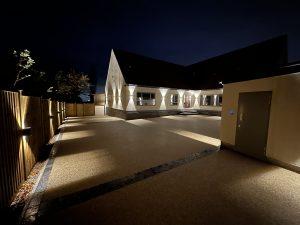
Thoughtful lighting can completely transform a small outdoor area, especially during the evenings. Solar-powered stake lights, festoon lighting, or LED strips can add warmth and charm while helping to define different zones.
Lighting doesn’t need to be overcomplicated – even a few well-placed lanterns can make a big difference.
By uplighting a feature plant or backlighting a wall, you can add depth and create a sense of drama.
Plus, good lighting helps extend the usability of your outdoor space beyond daylight hours, allowing you to enjoy your garden even when the sun goes down.
Use Zoning to Create Structure
Even in a small space, creating distinct zones can help it feel more organised and purposeful.
You might designate one corner for seating, another for plants, and perhaps a small utility section for bins or tools. Zoning helps break up the space visually and gives each area a clear role.
Use different textures or materials to subtly define these zones – for instance, decking for the seating area, gravel around the plant beds, or planters to create natural borders.
This adds character and flow to the space without needing large structures or walls.
Keep It Low Maintenance
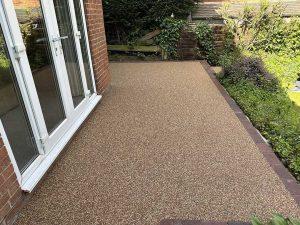
For smaller gardens, keeping maintenance to a minimum makes it much easier to enjoy the space without it becoming a chore. Resin-bound surfaces, artificial turf or gravel are great low-maintenance choices that still look stylish and modern.
They’re also ideal if you’re short on time or want to avoid constant weeding and upkeep.
When it comes to planting, opt for hardy, drought-tolerant species like lavender, sedum or ornamental grasses.
These require minimal attention but still offer colour, movement and scent throughout the year – helping your garden feel full of life with little effort.
Add a Focal Point
Incorporating a strong focal point can bring cohesion and character to your space. Whether it’s a small water feature, a statement plant, or a decorative fire pit, a focal point draws the eye and anchors the design.
It also gives your space a central theme or purpose, making it feel more curated and intentional.
Avoid adding too many focal points, though – in a small area, one standout feature is usually enough.
Choose something that reflects your style and works with the rest of the layout, so it becomes a natural part of the space rather than a distraction.
Conclusion
Small outdoor spaces may come with a few limitations, but they also offer a great opportunity to get creative and make every inch count.
With the right layout, smart furniture choices and thoughtful touches, even the tiniest of gardens can be transformed into something truly special.
At First Impressions Yorkshire, we specialise in turning outdoor spaces of all sizes into beautifully designed, functional areas.
Whether you’re looking to revamp your garden or upgrade your driveway, get in touch for a free quote – we’re here to help bring your vision to life.