

Garden edging is one of those details that can quietly change how an outdoor space feels and functions. It gives lawns, borders, paths and paved areas a clear edge, so the whole garden looks more intentional.
Good edging is not only about neat lines. It helps organise the space, guide movement, contain materials and make planting areas easier to manage, which is why it matters in thoughtful garden design.
Why edging matters in garden design
Edging gives a garden structure. Without it, lawns can creep into borders, gravel can spread onto paths, and planted areas can lose their shape over time. A defined edge creates a clear boundary between one surface and another, helping each part of the garden do its job.
For many homeowners, the appeal is simple. Edging makes a garden feel finished. A patio can look sharper when it meets a clean planting bed. A lawn can feel more generous when its shape is clearly set out. A path can feel more purposeful when it has a border that guides the route.
There is also a practical benefit. Edging can reduce the amount of tidying needed after mowing, watering or sweeping. It can help keep bark, gravel, soil and decorative stone where they belong. It can also protect softer areas from being worn down by everyday foot traffic.
In a wider garden plan, edging acts like punctuation. It separates areas without making the space feel divided. That is especially useful when a garden needs to include several functions, such as seating, planting, lawn, access and storage, without becoming cluttered.
How clean lines improve usable space
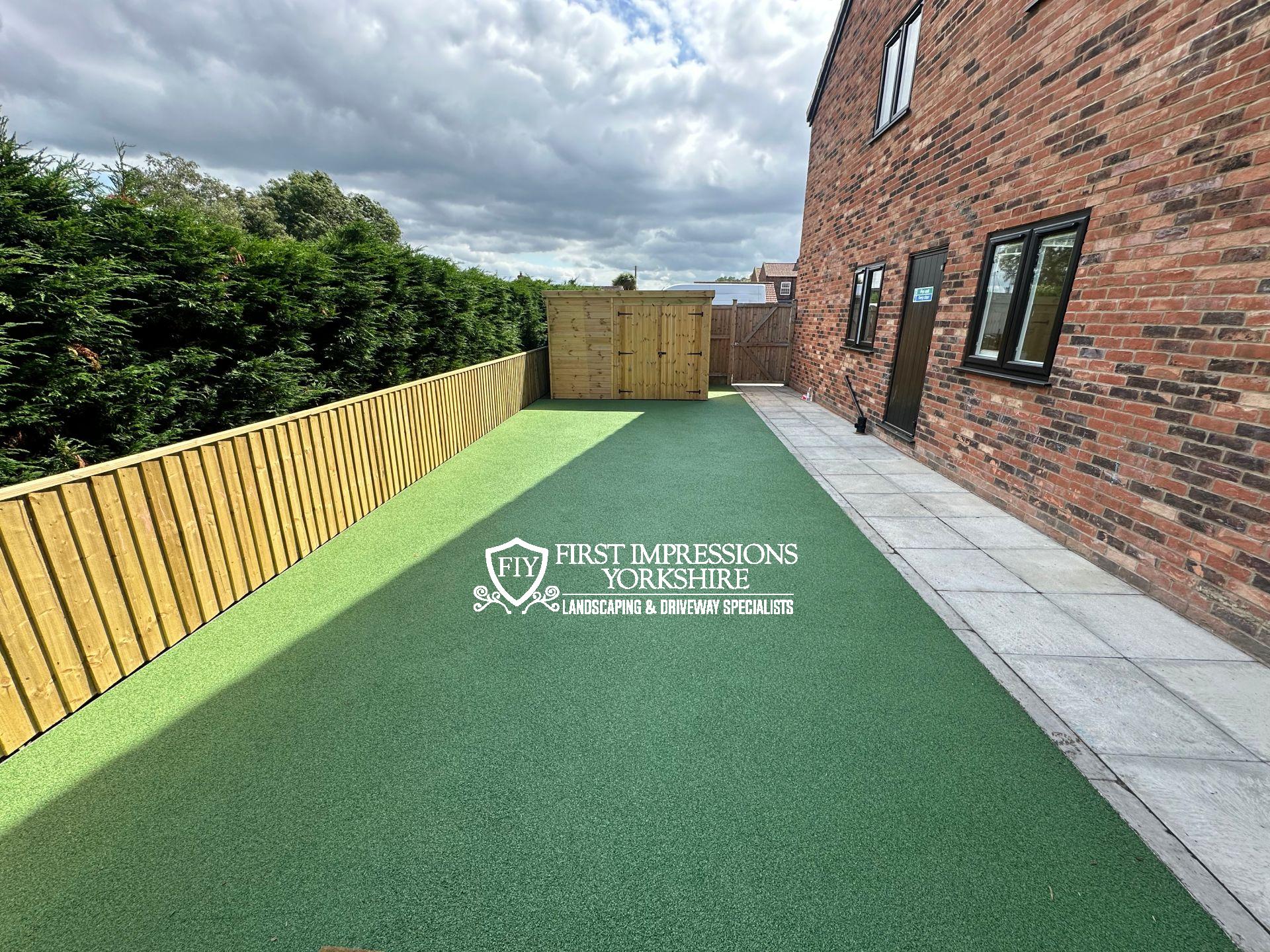
A well designed garden is not only pleasant to look at. It should be easy to move through, easy to maintain and comfortable to use. Edging supports that by making the layout clearer.
For example, a curved border can soften a rectangular lawn and create more depth in a compact garden. A straight edge can make a narrow path feel more ordered. A raised edge can show where a patio ends and a planted area begins. These choices help people understand the space naturally, without signs or instructions.
Clean lines are especially useful around busy parts of the garden. Around patios, edging can stop soil washing onto paving. Along paths, it can reduce spreading from planted borders. Around lawns, it gives a mowing line and helps the grass keep its intended shape.
This is where edging connects closely with landscaping and garden design. The edge is not an afterthought. It is part of how the garden is planned, built and used. When the edging suits the layout, the space feels calmer and more practical.
Choosing edging materials that suit the garden

There is no single best edging material for every garden. The right choice depends on the surface beside it, the style of the garden, the level difference, the planting and how much wear the area will get.
Stone edging can work well beside patios, paths and more formal planting. It has weight and permanence, and it can help tie paved areas into the rest of the garden. Brick or block edging can suit driveways, paths and garden borders where a strong, tidy line is needed.
Metal edging is often chosen where a slim profile is preferred. It can create crisp curves or straight lines without taking up much visual space. Timber can suit softer planting schemes, although it needs to be chosen and installed with ground contact in mind. Concrete kerbs and setts can be useful where strength and restraint are important.
The material should also relate to nearby surfaces. If a garden includes paving, paths or driveway details, the edging can help connect those elements rather than compete with them. Where traditional paving is part of the plan, traditionally laid drives, paths, patios, flagging and block paving can influence the edge detail so the finish feels consistent.
It is worth thinking about height as well as material. A flush edge can make mowing and sweeping easier. A slightly raised edge can contain gravel or mulch. A more substantial retaining edge may be needed where there is a change in level or where soil needs support.
Using edging to shape borders and planting
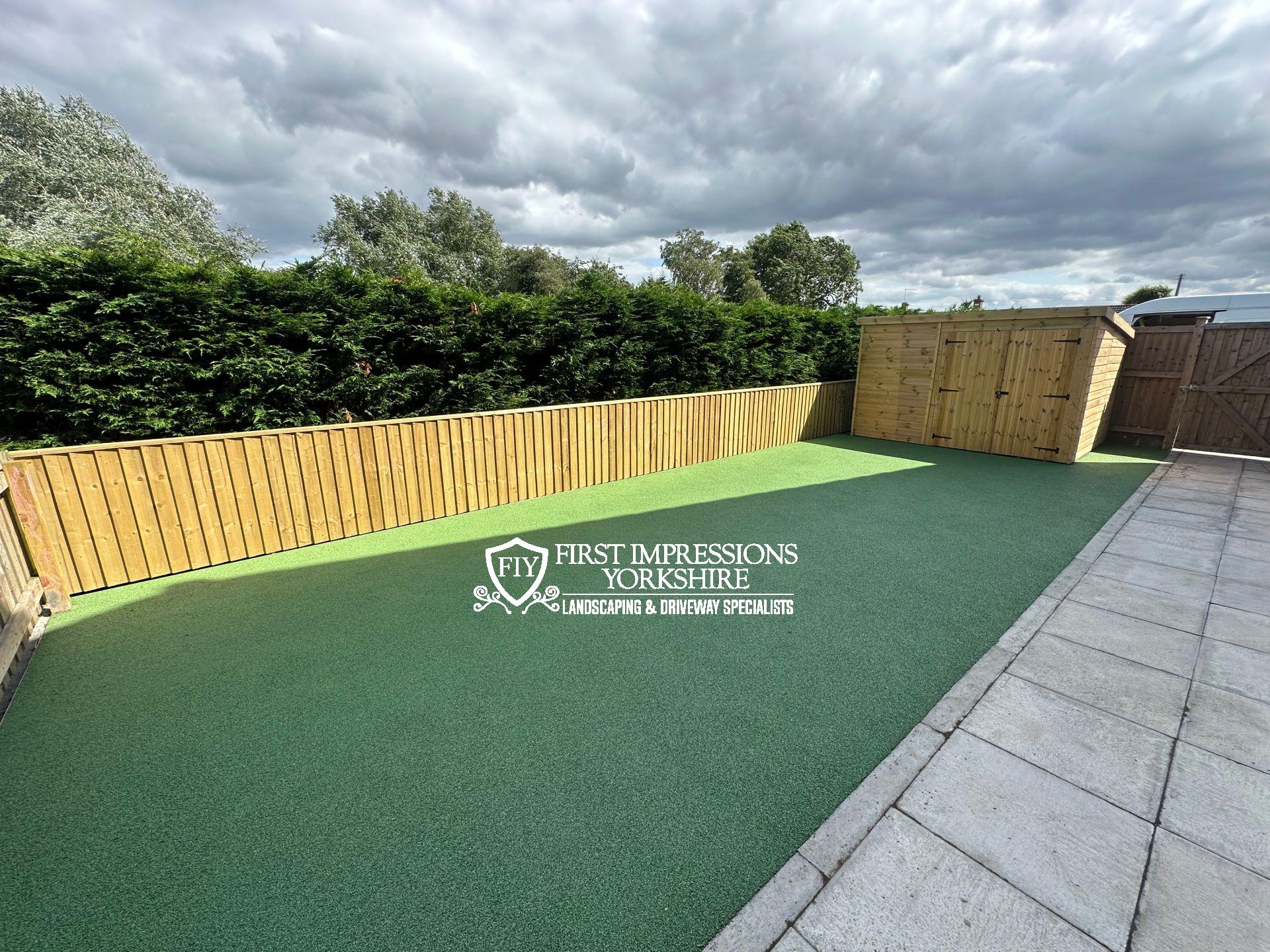
Planting can look much stronger when it has a defined shape. Edging helps set the line of a border before the plants mature, which means the garden still looks organised while shrubs, perennials and ground cover are establishing.
A generous border can make a garden feel fuller and more balanced, but it needs a clear edge so it does not slowly shrink the lawn or spill into access routes. The same applies to smaller planting pockets. A clean edge can make even a modest planted area feel deliberate.
Edging can also help with maintenance. Soil, mulch and compost stay more contained. Grass is less likely to invade the bed. Plants are less likely to be damaged by mowing or trimming. Over time, that helps the border keep the shape intended in the original design.
The shape of the edge matters. Straight borders can suit formal layouts and narrow spaces. Curved borders can make a garden feel more relaxed and can lead the eye through the space. The key is to choose shapes that suit how the garden is used, not just how it looks on paper.
If you are still deciding what kind of layout would work, a simple guide to what garden landscaping involves can help separate design choices from construction details.
Common edging mistakes to avoid

One common mistake is choosing edging only for appearance. It may look right at first, but if it cannot hold the material beside it, or if it is difficult to maintain, it will not support the garden properly.
Another mistake is making every edge the same. A lawn edge, patio edge, gravel edge and planted border may all need slightly different solutions. Repeating one material can create consistency, but the detail still needs to suit each use.
Poor preparation can also weaken the result. Edging needs a stable base, sensible alignment and the right depth for the material. If it is set too shallow, it may move. If it is set too high in the wrong place, it may become awkward for mowing or walking. If levels are ignored, water can collect where it is not wanted.
It is also easy to overcomplicate a garden with too many lines. Edging should make the space clearer, not busier. A few strong, useful boundaries are usually better than lots of small shapes that make the garden harder to read.
Finally, edging should work with drainage and surface care. Where resin, paving or other hard surfaces meet planted areas, the edge detail should support clean separation and easy upkeep. For resin surfaces, ongoing care may include specialist resin driveway cleaning as part of keeping surrounding hard landscaping presentable.
When to plan edging in a wider garden project
Edging is best considered early, not added as a final decoration. Once the main uses of the garden are clear, the edge details can be planned around them. That includes where people walk, where furniture sits, how the lawn will be cut, where planting will spread and how rainwater moves through the space.
Planning early also helps materials work together. If the garden includes paving, fencing, steps, paths or a driveway entrance, the edging can connect those features visually and practically. It can also avoid small awkward gaps that are difficult to plant, sweep or maintain.
For homeowners searching for garden designers near me, edging is a useful detail to discuss during the planning stage. It shows whether the proposed design has been thought through beyond the broad layout. A good plan should explain not only where the borders and paths go, but how those areas meet each other.
That does not mean every garden needs a complex design. Sometimes the most effective improvement is a clear lawn edge, a better border shape and a more durable separation between planting and hard surfaces. The value is in making the garden easier to use and easier to care for.
- Garden edging gives lawns, borders, paths and patios a clearer shape.
- The right edge can contain soil, gravel, mulch and planting, making maintenance easier.
- Material choice should suit the surface, level, planting and everyday use of the garden.
- Clean lines help a garden feel more organised without turning it into a formal space.
- Edging works best when planned as part of the garden layout, not added at the end.
Frequently asked questions
What is the main purpose of garden edging?
Garden edging creates a clear boundary between different areas, such as lawn, planting, gravel, paths and patios. It helps the garden keep its shape and can make routine maintenance easier.
Does edging have to be raised?
No. Some edging is flush with the ground, which can be useful beside lawns and paths. Raised edging can be helpful where you need to contain soil, mulch, gravel or a change in level.
Which edging material is best for a low maintenance garden?
The best material depends on the layout and surface beside it. Stone, block, metal and concrete options can all work well when installed on a stable base and chosen for the way the area will be used.
Should edging be planned before paving or planting?
Yes, it is usually better to plan edging before construction and planting begin. That helps the levels, curves, borders and surface joins work together from the start.
Plan a cleaner garden finish
If your outdoor space needs clearer borders, neater lines or a more practical layout, First Impressions Yorkshire can help shape a garden design that feels finished and easy to use.